
There’s a specific sequence that plays out constantly now. Someone watches a stand-up special on Netflix, maybe they chose it, maybe the algorithm dropped it in front of them at the right moment, and an hour later they’re genuinely converted. Not just entertained. Converted. They want more of this person’s work, they want to understand how comedy at this level actually gets made, and somewhere underneath both of those things is a quieter impulse: they want to be in a room where this is happening live.
That impulse leads directly to a search. “Where can I see live comedians in NYC” is one of the more telling searches in entertainment right now because it almost never comes from nowhere. It comes from a special, a clip, a podcast appearance, a recommendation from someone who’d already made the same trip from screen to seat. The streaming platforms built the audience. The audience is now looking for the door back into a real room.
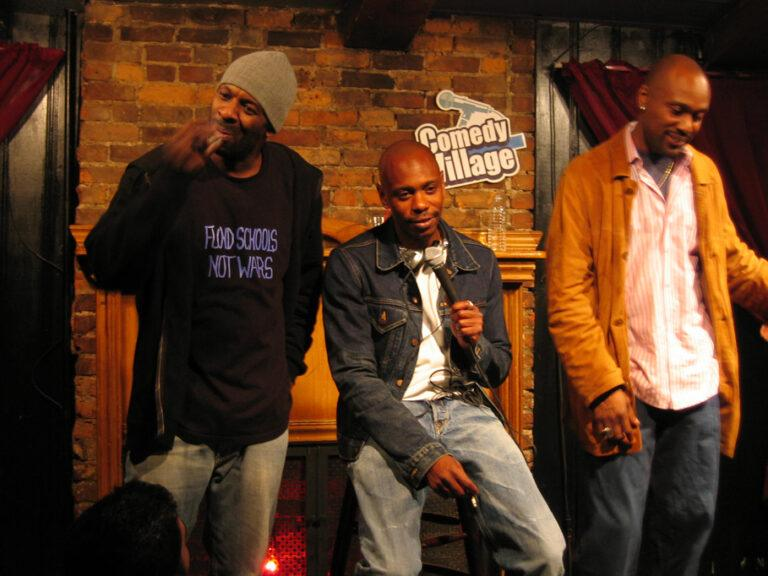
Comedy Village in Times Square is one of the clearest answers to that search, we run live stand-up seven nights a week at 352 West 44th Street, tickets are $22, and the performers are the working New York comedians who are building or have already built the kind of career that ends up on those streaming platforms. This blog is about the pipeline itself: how it works, why it’s driving live comedy demand in a way nobody fully anticipated, and what you actually find on the other side of that search.
How Streaming Created a Generation of Comedy Fans Who’ve Never Sat in a Club
The conventional wisdom for years was that streaming would eat live entertainment. Why go out when the best in the world is available on your couch in HD? For film and television that logic largely held. For stand-up comedy it did something unexpected instead, it grew the audience for the live version by making the recorded version genuinely excellent and widely accessible.
Netflix alone has released hundreds of stand-up specials in the last decade. The format became a cultural touchpoint, people discuss specials the way they discuss prestige television, recommend them the way they recommend albums, revisit them the way they revisit favourite films. A generation of comedy fans grew up with the recorded form as their primary relationship to the art.
What a recorded special can’t replicate, and what makes a live room genuinely different, is the contingency of it. On screen, the comedian has already succeeded. The edit is clean, the timing is perfect, the crowd reactions are selected. In a live room, none of that is certain. The comedian is working in real time, reading a specific audience on a specific night, and the material either lands or it doesn’t in front of you. That uncertainty is what makes live comedy feel electric in a way a special never quite does, no matter how good the production. Once you understand that difference intellectually, the impulse to experience it directly is almost inevitable.
The Specific Behavior Behind the Search
When someone searches “where can I see live comedians in NYC”, they’re usually not in the early stages of deciding whether they want to go. The decision is already tilted toward yes. What they need is the specific answer, which venue, which night, whether the thing they loved about the recorded version exists in a live context somewhere they can actually get to.
The search also carries something important that a lot of venue marketing misses: the person searching already has taste. They’ve watched enough stand-up to have preferences, to know what kind of comedy they respond to, to understand broadly what makes a good set different from a forgettable one. They’re not a blank audience member looking to be sold on the concept of live comedy. They’re fans looking for the right room.
That matters because it changes what the answer to the search needs to be. It doesn’t need to explain why live comedy is worth experiencing, they already believe that. It needs to tell them where the level of work they’ve come to expect from streaming actually exists in a live setting in New York City. That’s a more specific question, and it deserves a more specific answer.
What the Live Room Actually Adds
The comedians performing at Comedy Village are working the same New York circuit that feeds the streaming platforms. Many have television credits, Netflix, Comedy Central, HBO, late-night, or are actively building toward them. Some are names you’ll already know from specials or clips. Others you’ll encounter for the first time and immediately want to follow. Both versions of that experience are genuinely satisfying for someone who arrived through the streaming-to-live pipeline.
What the live room adds that no special ever captures is the room itself. A club audience is different from a filmed audience in a fundamental way: they haven’t chosen to watch this specific comedian, they’ve chosen to come to a show. The comedian has to earn the room. That process, working a crowd that arrived open but uncommitted, pulling them through a set until they’re fully there, is the craft that specially flatten into a clean product. In the room, you see the craft operating in real time, and that’s its own kind of fascinating on top of being funny.
The other thing a live room gives you that no screen does is the crowd itself. Laughing alone at a special is pleasant. Laughing in a full room where the person next to you has just lost it at the same moment you have is a qualitatively different physical experience. The room amplifies. You’re not just receiving comedy, you’re part of the audience that the comedy is happening with. That’s the thing people who’ve made the transition from screen to live consistently say they didn’t expect and can’t stop chasing afterward.
Why New York Is Specifically the Right City for This
The question of “where can I see live comedians in NYC” has a richer answer in New York than almost anywhere else because the city is where the circuit runs deepest. Comedians who are building toward specials, comedians who’ve already done them, comedians passing through on tour, comedians workshopping new material that will eventually become the next thing you watch on a streaming platform, all of it flows through New York, and specifically through the clubs that have the rooms and the reputation to attract working professionals rather than open-mic nights.
The difference between a club built around the craft and one built around foot traffic is real and visible from the stage outward. A room that books serious comedians attracts serious comedians, they talk to each other, recommend rooms, build reputations based on which venues produce real audiences rather than distracted tourists. Comedy Village sits in Times Square, which sounds like it should be a tourist-trap location by definition, but the venue operates as a working comedy club, the performers are circuit professionals, the room is purpose-built, and the audience that fills it on any given night includes enough New Yorkers who know what they’re watching to keep the standard of work high.
From the Search to the Seat
The practical answer to “where can I see live comedians in NYC” is: Comedy Village, 352 West 44th Street, Times Square. Shows run every night at 7 PM and 9 PM. Tickets are available directly online, no third-party platform required.
The less practical but more honest answer is: the live experience is going to do something to your relationship with the recorded version that you probably didn’t anticipate. Most people who go to their first live show and find themselves in a room with a comedian who’s genuinely good come out the other side watching specials differently. You start noticing the craft more, understanding what a tight five minutes of material actually costs to build, appreciating why a bit that looks effortless on screen took months of club rooms to become effortless. The pipeline doesn’t just run one way. Going live changes how you watch.
FAQs
Where can I see live comedians in NYC tonight?
Comedy Village runs shows at 7 PM and 9 PM every night of the week, including tonight. Tickets are available online up until close to showtime, though weekend evenings move faster than weeknights.
Where can I see live comedians in NYC who have Netflix specials?
Comedy Village books working professionals from the New York circuit, many of whom have appeared on Netflix, Comedy Central, HBO, and late-night television. The lineup rotates nightly, so specific names vary by show. The consistent factor is the level of experience: the comedians performing here are the same circuit professionals whose recorded work ends up on streaming platforms.
Is seeing live comedy in NYC very different from watching a special at home?
Meaningfully different, yes. A special is a recorded and edited version of a comedian’s work at its most refined. A live room is the same quality of performer working in real time, without the safety net of editing, in front of an audience that arrives uncommitted and has to be won over. The contingency of it, the fact that nothing is predetermined, is what makes a live show feel electric in a way recorded material doesn’t replicate.
Where can I see live comedians in NYC as a first-timer?
Comedy Village is a strong first experience specifically because the room is built for stand-up rather than retrofitted for it, and the show format, a rotating lineup of three to four professional comedians, gives you a range of styles within a single evening. You don’t need to know the performers going in.
How often do the comedians change at Comedy Village?
The lineup rotates regularly, the performers are not the same from night to night or week to week. This is what makes Comedy Village a viable recurring plan rather than a one-time visit. Someone who goes monthly will see a genuinely different show each time, featuring different comedians at different points in their careers.
Where can I see live comedians in NYC for a group or date night?
Comedy Village works well for both. For a date, it introduces something unpredictable into the evening that dinner alone doesn’t, neither person controls what happens on stage, and the shared reaction is what you carry home. For a group, the format keeps everyone together and doing the same thing at the same time, which is rarer than it sounds for a New York night out.